Emil Filla (1882–1953)
was born at a time when Europe was preparing for transformation — and he became its voice.
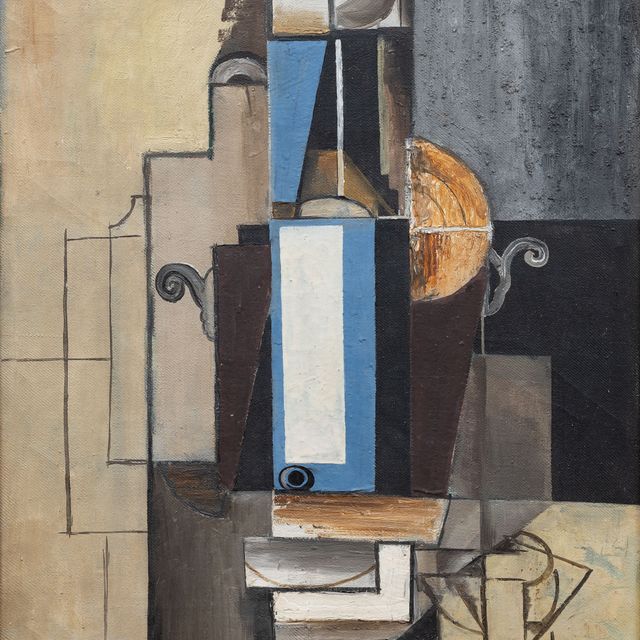
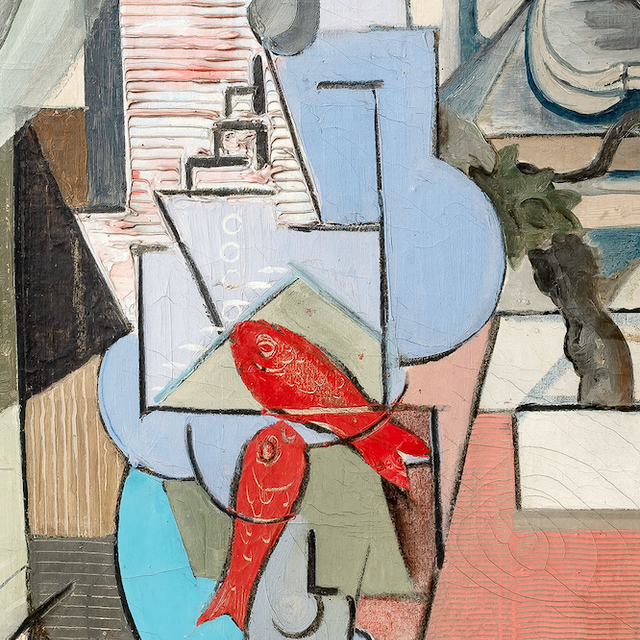
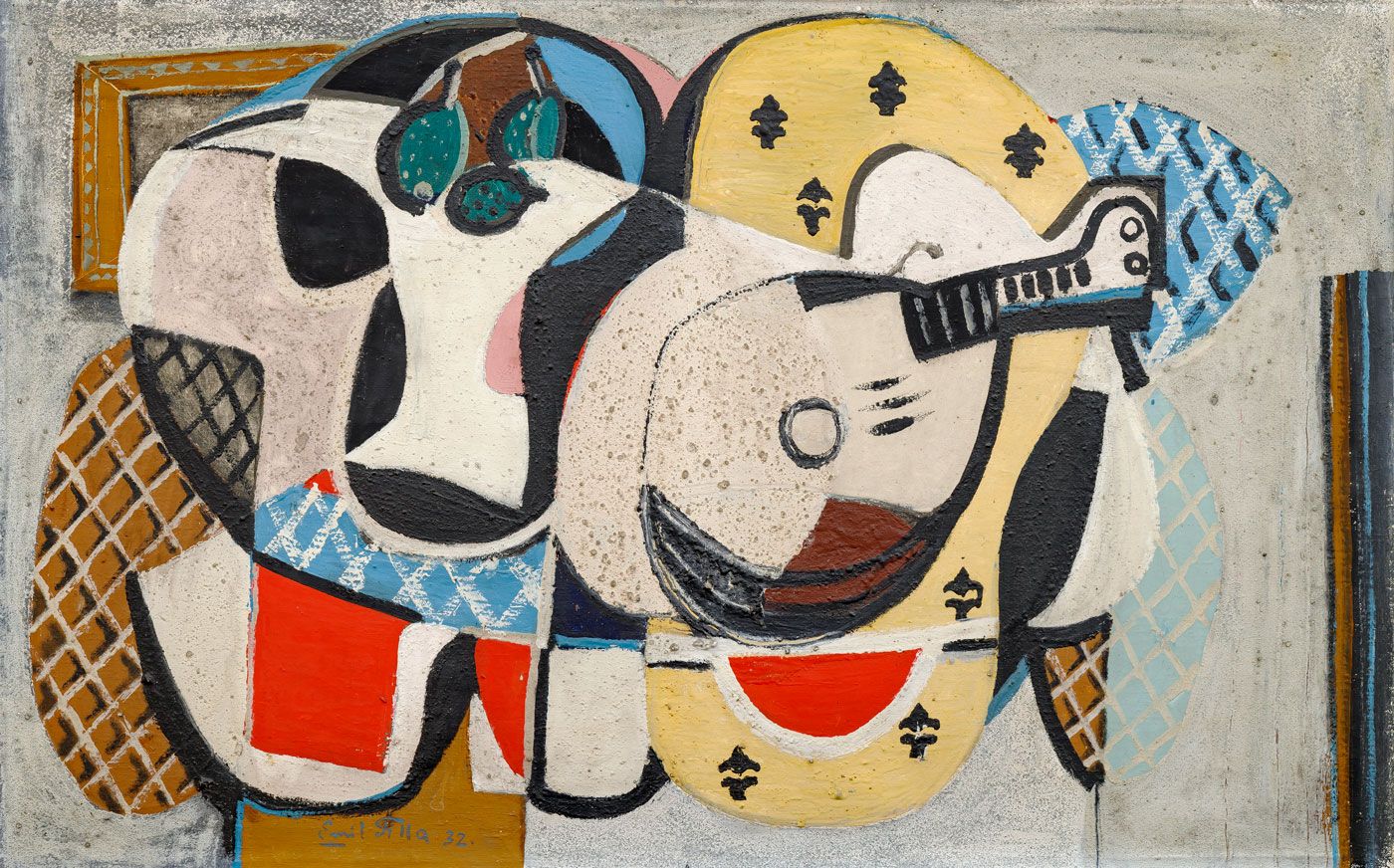
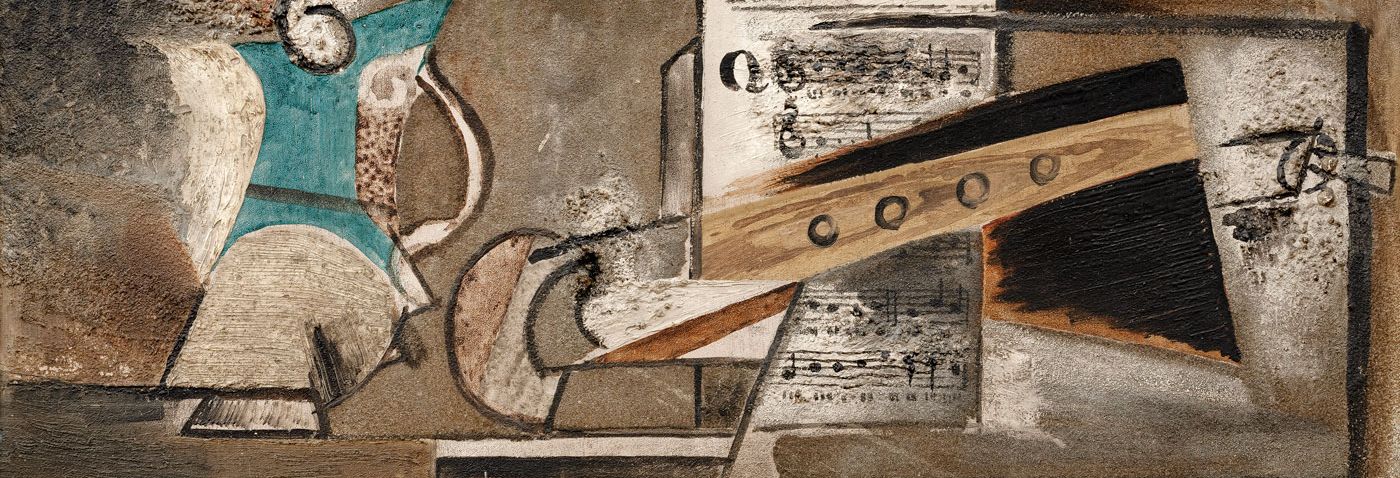
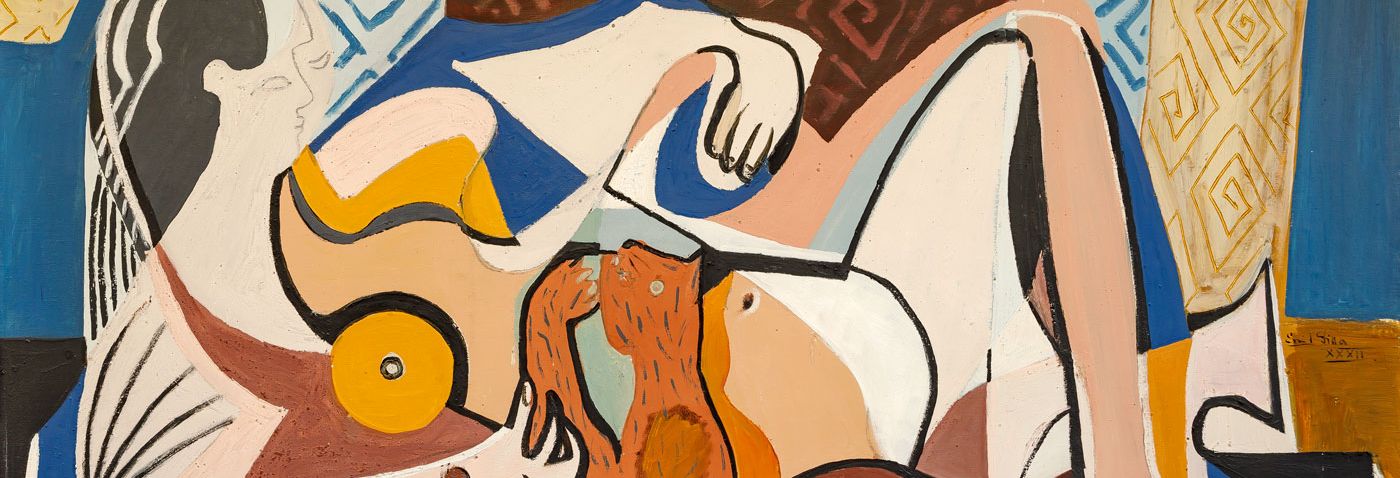
He was born in 1882 in Chropyně, Moravia. At the age of 21, he began studying at the Academy of Fine Arts in Prague and soon joined the group Osma (The Eight), which rejected old traditions and sought a new form of expression influenced by Expressionism. He exhibited with the group in two shows, but after his first visits to Paris, he found his lasting inspiration in Pablo Picasso and the Parisian Cubists. In 1911, he co-founded the Group of Fine Artists. In the hands of its members, Cubism became more than just a style — it was a language for a complex world, and Filla chose to speak that language for much of his life.
At the beginning of World War I, he went to Paris and later to the Netherlands, where, after the arrival of Minister Edvard Beneš in 1915, he joined the Czech resistance movement Maffia and, together with his wife, helped maintain secret communications between the homeland and Paris. After the war, he became secretary of the Czechoslovak Embassy in The Hague. In 1920, he returned to Prague, worked briefly at the Ministry of Foreign Affairs, but soon decided to devote himself exclusively to painting. He became a leading member of S.V.U. Mánes in Prague and participated in many of its exhibitions. For many years, he was an editor or member of the editorial board of the magazine Volné směry (Free Directions).
On the first day of World War II, during the Albrecht I operation, he was arrested, taken to the Pankrác prison, and then sent for several days to Dachau. From there, he was transferred and imprisoned as a political prisoner in the Buchenwald concentration camp until May 21, 1945. During his imprisonment, he suffered six heart attacks, and his health was permanently damaged.
After returning from the camp, his art gained new depth. He returned to painting still lifes and landscapes — as if seeking in nature what he had lost in humanity. In 1945, he was appointed professor at the newly founded Academy of Arts, Architecture and Design in Prague (Vysoká škola uměleckoprůmyslová v Praze). Between 1945 and 1952, about forty painters studied in his atelier, where Filla imparted not only technical mastery but also faith in the meaning of creation. In 1952, he celebrated his seventieth birthday with two retrospective exhibitions — one at Galerie Práce on Wenceslas Square and another at Galerie Mánes — and that same year, for health reasons, he retired from teaching.
Emil Filla died on October 6, 1953, in Prague, from his seventh heart attack.
Emil Filla was not only a versatile visual artist — painter, graphic artist, and sculptor — but also an art theorist, editor, organizer, and diplomat, as well as a passionate art collector. A large part of his collection consisted of Renaissance bronzes, especially Italian ones, but his main collecting interest focused on non-European art — particularly Chinese, as well as Japanese, Middle Eastern, Near Eastern, Egyptian art, and that of the indigenous cultures of Africa, Oceania, and pre-Columbian America.
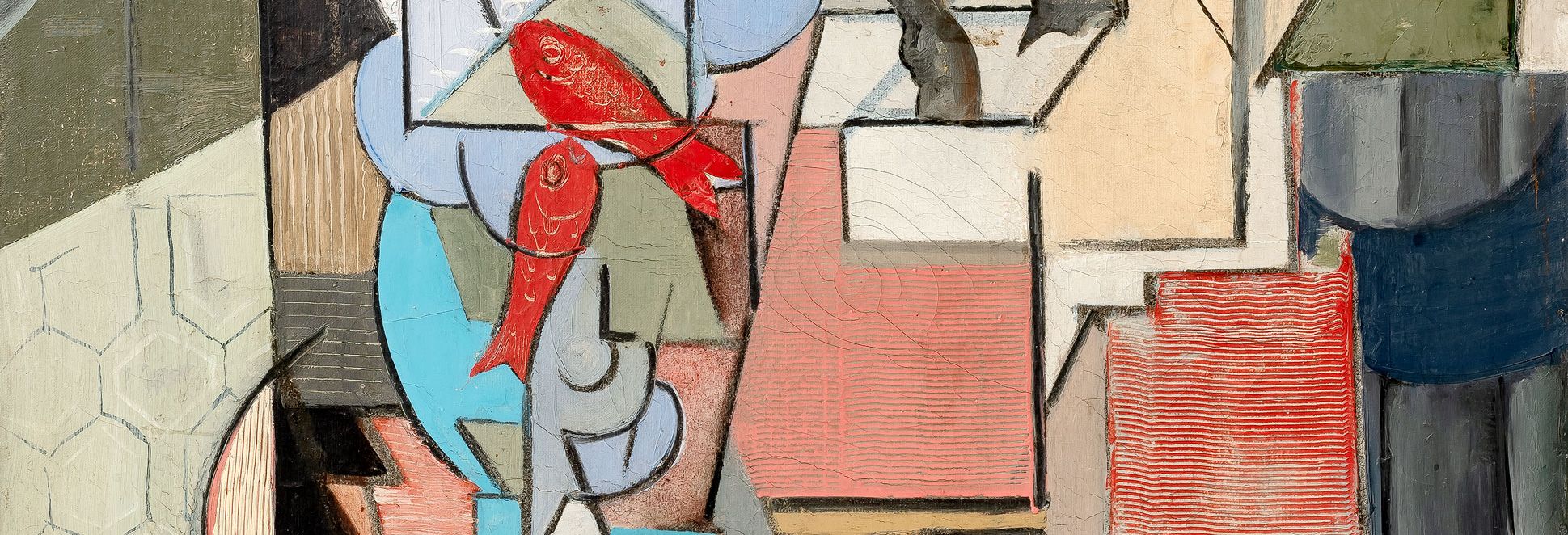
Submit Your Artwork to the Emil Filla Catalogue Raisonné
Owners of Emil Filla’s paintings are invited to submit their works via email at filla@fillafoundation.cz, to be considered for expert evaluation and possible inclusion in the catalogue raisonné.
About Catalogue
The project, initiated by the Filla Foundation, is overseen by Galerie KODL in collaboration with the Institute of Art History of the Czech Academy of Sciences and the Academia Publishing House.